We were going to see, with our own eyes, the place where edible bird’s nest begins. Except that, first, the plane would not fly.
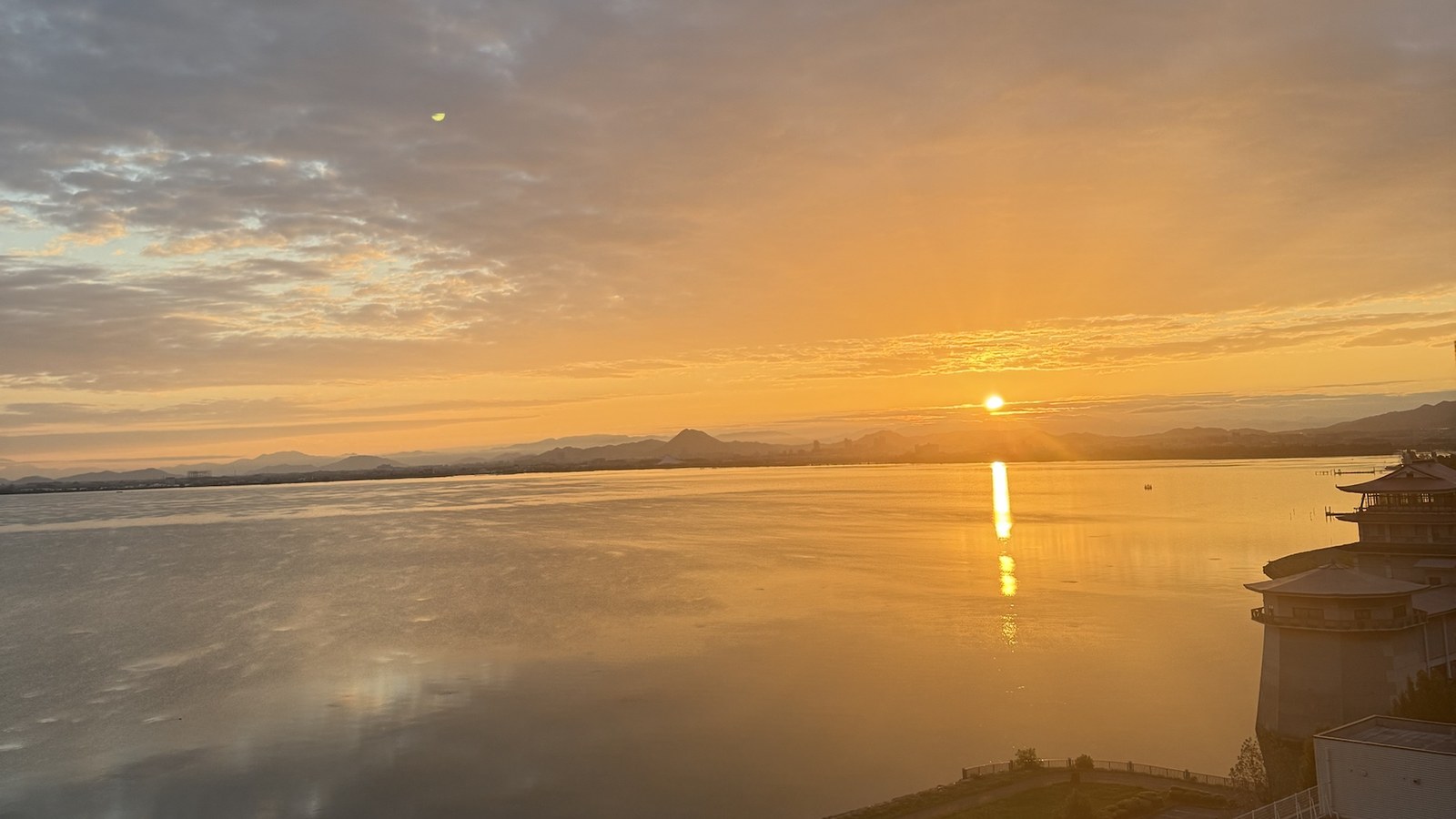
12 September. I travelled to Malaysia for TSUBAMEDIA. The destination was Johor Bahru — to visit a birdhouse, a building where swiftlets actually live.
Edible bird’s nest as a finished product I have seen plenty of. But the place that comes before that, I had not yet seen enough of. In what environment, what kind of bird, building a nest in what way. I wanted to see that for myself. That was the purpose of this trip.
…… Except that, to begin with, I could not get to Malaysia.
Two groups, both heading for Johor Bahru
We travelled in two groups. One went from Haneda via Singapore to Johor Bahru — people who have taken an interest in edible bird’s nest for some time, mostly people who share information online. “I want to know more.” “I want to see it myself before I talk about it.” Those were the reasons they came.
The other group was us. From Kansai International Airport via Kuala Lumpur to Johor Bahru. The TSUBAMEDIA editorial team was in this group.
The plan was the 11:05 departure from Kansai. Check the bags, and then simply board. That was the plan.
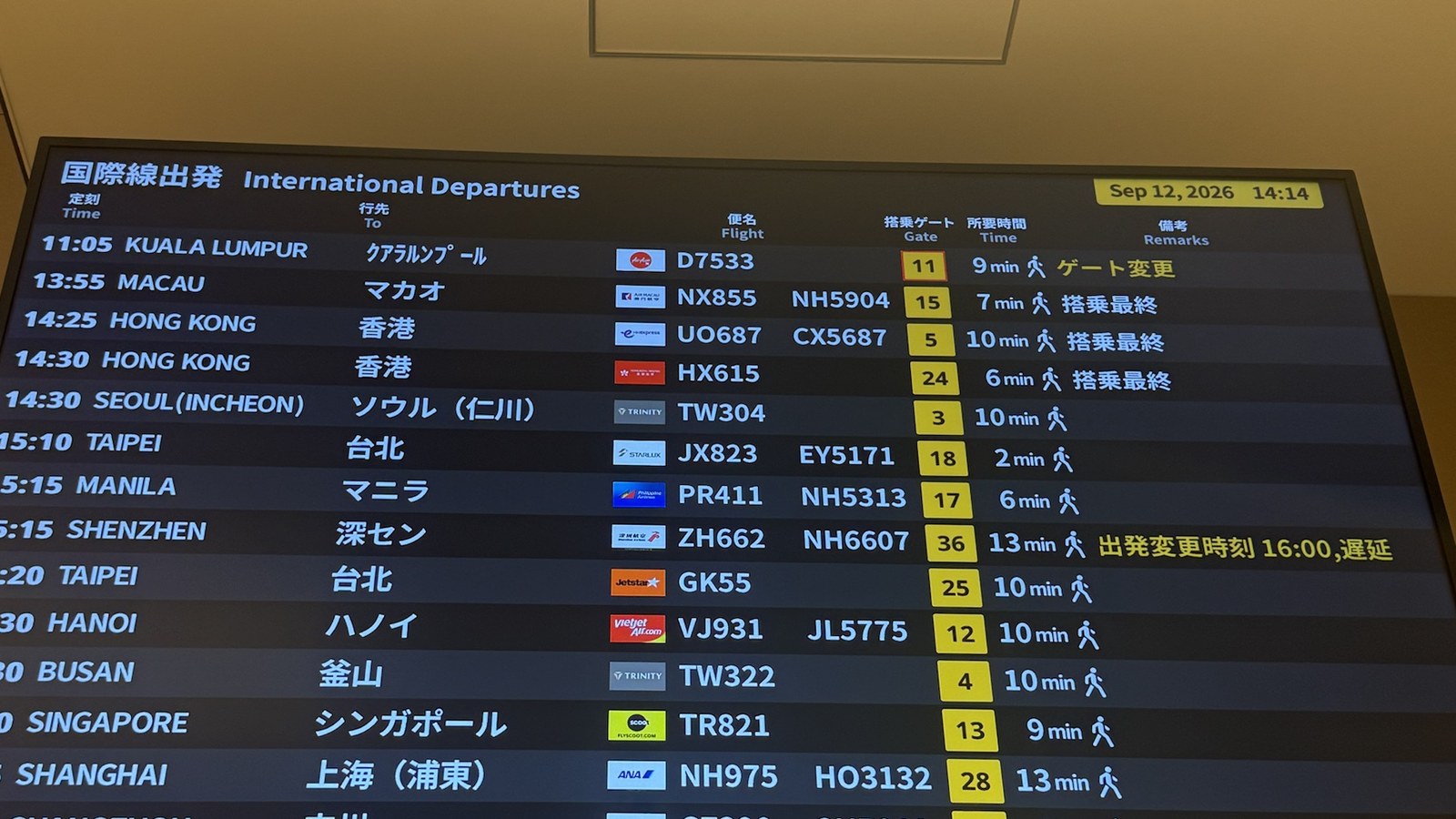
11:05. It does not fly.
It was an aircraft problem.
But it was not immediately declared cancelled for the day. Wait. Wait some more. Wait, for now. Only the time went by.
Around one in the afternoon, meal vouchers were handed out. This is going to be a long one, I thought. Even so, we ate, we talked, and somewhere in me I still thought it would fly eventually.
It became clear after three. On this flight, we would not be going today. What was offered instead was five in the afternoon, the following day.
Leaving Japan on the evening of the next day. That would have left almost nothing of the schedule we had arranged on the ground.
What cannot be changed, and what can
There was only one thing I thought about at that point. What can we do, right now?
A plane that will not fly, we cannot make fly. Raising your voice at the counter will not make it fly. We no longer had the time to spend on what could not be changed.
We looked for another route straight away. What about via Singapore? Hong Kong? Taipei? If we could get as far as Kuala Lumpur, we could reach Johor Bahru on a domestic flight the next morning.
What we found was a flight leaving Kansai that night for Kuala Lumpur via Taipei. From there, a domestic flight the next morning to Senai Airport in Johor Bahru. We would arrive about twelve hours later than planned, but we would make the first day of the trip.
The moment we knew, we switched. Looking back, I think it came down to a difference of fifteen or twenty minutes. If we had held on a little longer, thinking we might as well wait and see, we might not have made that flight either.
On the ground, there were people who had set aside time for us. There were also people who had come all the way from Japan. A slow decision does not only spend your own time. It spends theirs as well.
“Normal” does not cross borders
There was one more thing that made me think.
To my way of feeling, if there is an aircraft problem, I would like to be told at that moment that there is an aircraft problem. What are the prospects of a fix, how likely is it to fly, what are the alternatives. Living in Japan, you grow used to that kind of information being shared relatively early and in detail.
But that is my “normal”, not the world’s “normal”.
I do not think this is a story about whether some company is good or bad. The sense of time. What a promise means. When information is released. Change the country and the assumptions behind all of that change. Rather than asking why they will not do it the way Japan does, asking what is normal for the other side will probably get you further.
Working with people abroad is, in the end, an accumulation of exactly that. I was reminded of it again. And this is not only about countries. In a company, or at home, my normal and the other person’s normal are not the same.
And then, the next morning
Via Taipei, into Kuala Lumpur late at night. The next morning, onto another plane, to Johor Bahru. I had barely slept.
Even so, when I stepped off at Senai Airport, I thought: we made it.
This is where it really begins. We headed for the birdhouse where the swiftlets live. What we saw once the door opened, I have written about in part two.
DISCLOSURE
About this column
TSUBAMEDIA is published by Japan Bansho Co., Ltd. I am its representative director, and I also head Lien Inc. As of 1 September 2026, I have become the representative of CURERE Co., Ltd. as well. I am not a neutral third party. GLYKEN, which appears in this column, is a business partner of ours.
That is precisely why this column is not written as a reported article. It is written as what one person saw and heard, and what has been verified as fact is kept separate, in the editorial team’s articles. Nor do we compare other companies’ products or judge which is superior.
This has been published with the permission of the people named. The articles linked from this column are, at the time of writing, available in Japanese only.